
The pathway is littered with glass - a letter from Nicole on perseverance and blind faith in your journey.
A Journey of Resilience and Self-Belief
By Nicole Desanti
If there’s one thing I’ve learned about becoming an artist, it’s that the path is never straight. It twists through dense woods and snowy hills, foggy fields and paths that are often times littered with obstacles that feel downright diabolical. For decades, I was searching — through various careers, self-doubt, and moments when I had convinced myself that art wasn’t meant to be my life’s work. But the truth is, creativity has always been at the center of who I am and that whole time it was clawing to get out.
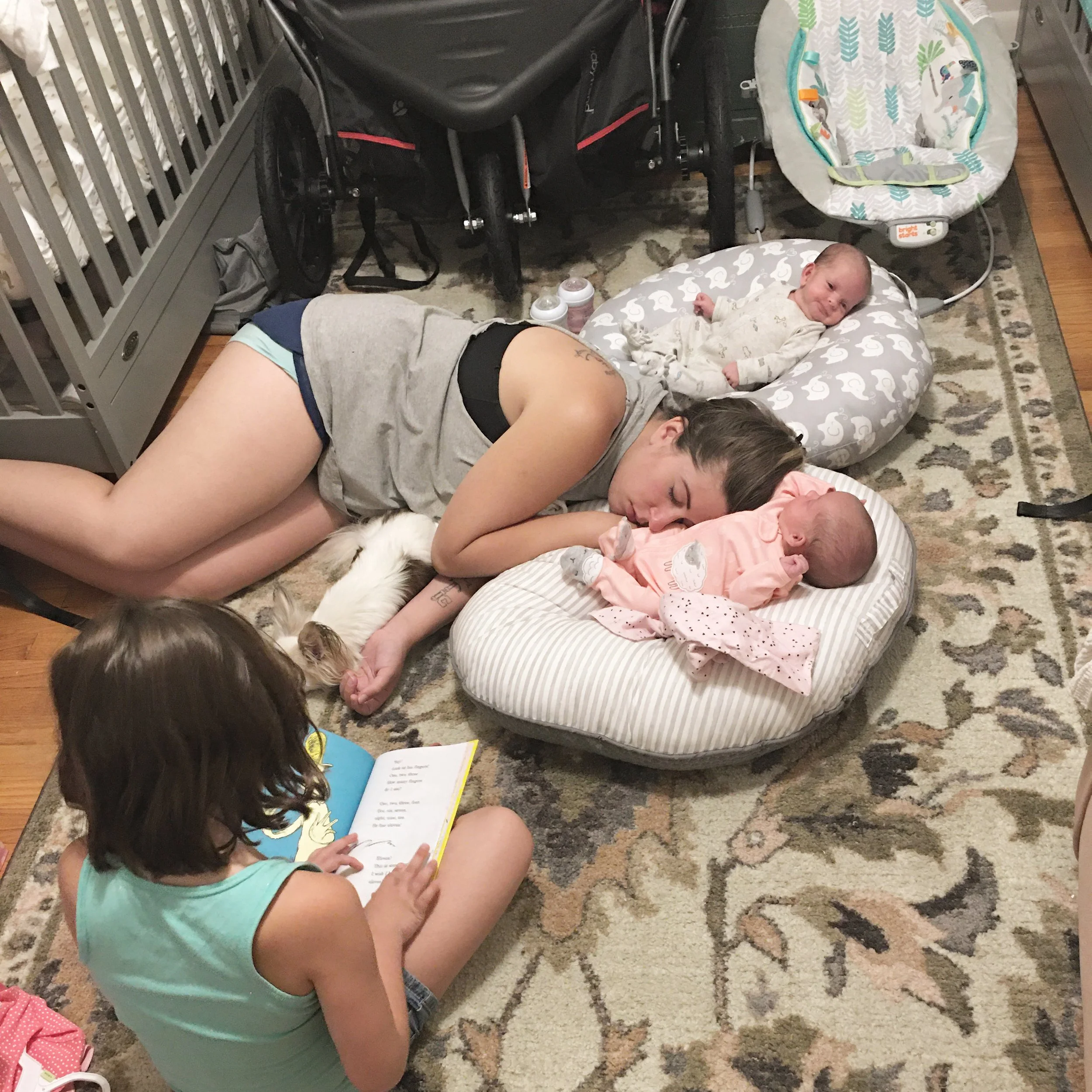
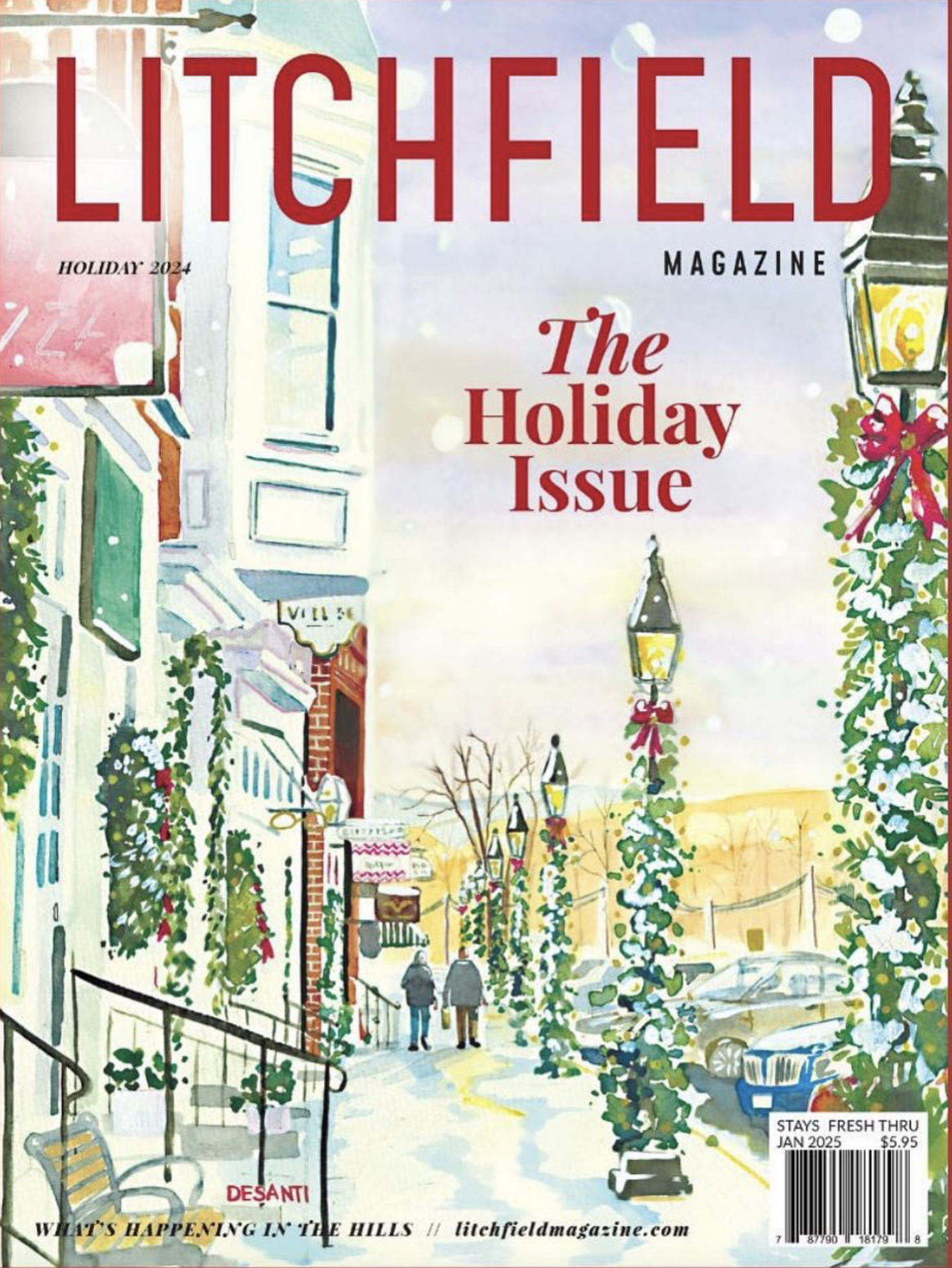
I became a full-time artist in 2020, during the pandemic, while pregnant with my twins. Before that, I had already lived several lives. I was a writer for Connecticut Magazine and Litchfield Magazine, a travel blogger, and an antique store owner. Looking back, every one of those roles prepared me for what I do now. The transition back into the arts felt like coming home.
As a child, I loved to draw and paint, and as a teenager I was lucky to take private art lessons that helped me see my potential. But somewhere along the way, my confidence began to slip. In high school, an art teacher who was nearing retirement told me she wouldn’t write me a college recommendation letter because I shouldn’t go into the arts. She told me “I would never be an artist”. To this day I fight with her demons — the ones she put on too many students and faculty at my high school. Yet through her darkness, all these years later I emerged and made a promise to never follow in her footsteps; to support and uplift others especially those who walk on creative pathways.
When the pandemic hit and life slowed down, I finally felt I had the space to make art again. I found a little watercolor palette in some craft supplies and I spent a lot of time eating cheese puffs and painting. I quickly realized I needed to purchase better supplies. The pieces I made were small (no larger than 4”x4”) and by most standards insignificant — but as soon as I posted them on my social media people were inquiring about purchasing them. They were selling —that was the spark. I started sharing my work online daily, engaging with people, and learning how to connect with my audience.
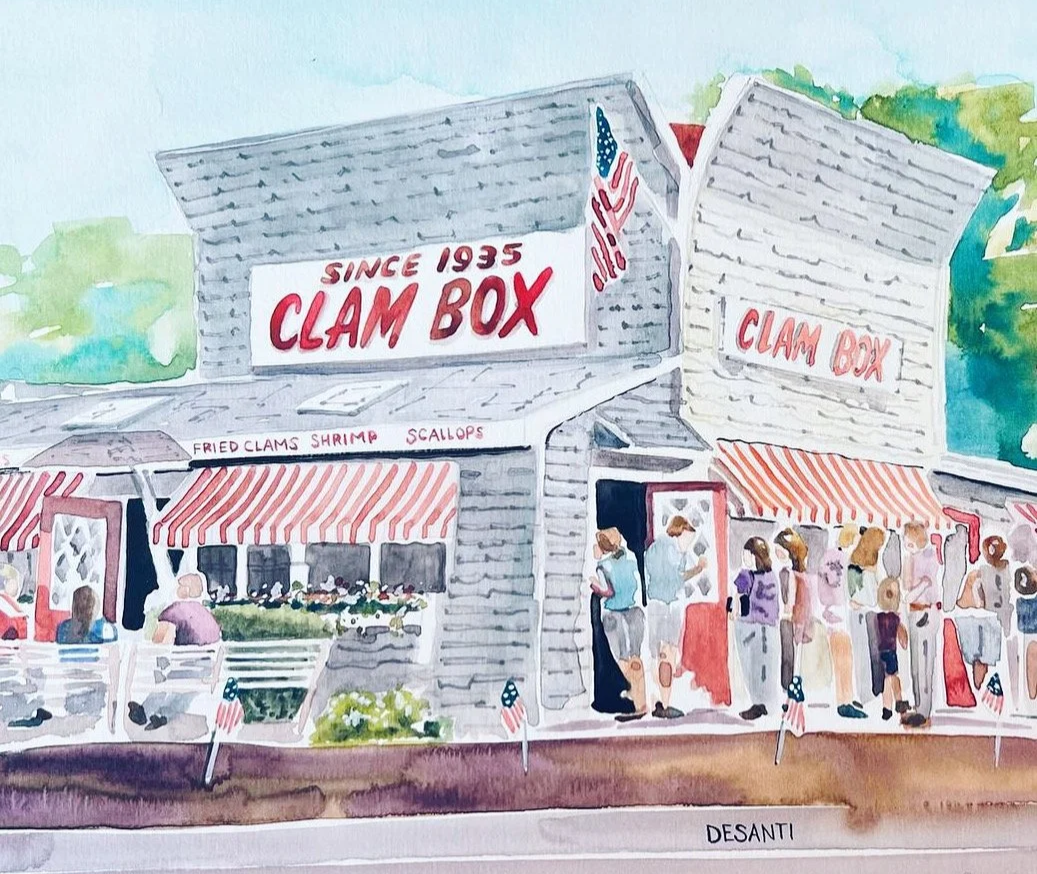
Not long after, I found a niche painting portraits of homes for real estate agents and homeowners. It turned into a full-time business and, for several years, that work supported my family. More importantly, it taught me something powerful: art doesn’t have to hang in a museum to matter. If a painting makes someone smile every time they walk by it, that is meaningful work.
I continued painting (almost daily) I took it seriously and continued my education on my own terms through reading art books, watching YouTube videos, going to artist talks and demos and surrounding myself with other painters with various skillsets.
But the life of a painter can be a lonely one, so in 2025, I co-founded the New Hartford Artisans Guild, a space dedicated to artists, exhibitions, and creative community. Opening the guild was one of the proudest moments of my life—but it also stirred up old insecurities. I felt inferior at times especially when working closely with such accomplished artists. Looking back I wish I didn’t let those intrusive thoughts win — I enrolled at the University of Hartford to get my BFA in Studio Art and while I have a different vantage point now as a full-time student, getting my degree is still a personal goal of mine and I hope to see it through.
Balancing school, running a gallery, raising children, and trying to maintain a creative practice is not easy. I often find myself rushing from one thing to another, and at times I’ve become my own worst enemy, setting standards that feel impossible to meet. But I’ve also realized that while education is valuable, it isn’t the only measure of an artist. Dedication, curiosity, and persistence matter just as much.
I’ve spent my entire adult life being self-employed, and the hustle is real. My long-term goal is to become an art teacher (and write the wrongs of my former educators) or art director— I’m ready to slow down again and let go of the hustle standard— I think a job that aligns with the work I’m already doing, curating shows and building opportunities for other artists would be ideal.
Along the way, one of the most important lessons I’ve learned is this: no one is obligated to take you seriously but yourself; no matter what you decide to do, do it with gumption.
Social media, whether we like it or not, is part of the job now. Showing your face, telling your story, and posting meaningful content helps people connect with you. And connection is everything. Finding your people—your collectors, your supporters, your community—is the real goal. If your work isn’t getting attention yet, it doesn’t mean it’s bad. It just means you haven’t found your audience. Something I do religiously is get on social media with a purpose and goal “today I want to connect with 3 valuable people”— I don’t mindlessly scroll, I search for people who’s social feeds align with mine, I look for people who are interested in art, decorating and shared interests, like travel in New England. This is just a little tip, because after all this wouldn’t be a successful blog post if I only talked about my woes as an artist. Set up your socials and start making connections, like and follow other people, but take it one step further: send them a DM and introduce yourself. Not in a copy and paste type of style but think of them as a penpal. Give them 5 sentences about why you want their attention, and trust me, you’ll have it.
Another thing I’ve learned is to be mindful of who you surround yourself with. The creative life requires vulnerability, and negativity can be incredibly damaging. Seek out people who encourage you, who believe in you, and who speak positively about you in rooms your not in. Don’t be afraid to cut the cord with old friends who don’t have similar goals for themselves. One of the biggest pivots in my life was when I let them go — fear tells us that we don’t want to be alone but if you don’t get some people off the elevator, new people can’t get on.
Failure is part of the process. There’s no way around it. The road is messy and unpredictable and like I said in the first paragraph, it’s like walking barefoot over glass. There will be days when you feel like giving up. But in my experience, failure isn’t the opposite of success—it’s the pathway to it. Every setback teaches you something, if you’re willing to keep going. If you have a bad day, do something else for a while, pick up a book, go for a walk and by all means, don’t make any decisions, just wait it out the clouds do pass.
Lastly, the biggest and most important piece is to learn how to ask for what you want. Apply for the show. Reach out to the gallery. Pitch your work. Send the email. You will hear no sometimes—but you will also hear yes. If you’re afraid, take baby steps; and just think of me in the commuter parking lot at University of Hartford hanging out my window asking every person that cuts across the lot “ARE YOU LEAVING?” because 10/10 times I am the one who gets a parking space. It takes 3 seconds to create loyalty, even when there’s a line of others waiting; not because I deserve it more, but because I took a risk to make a connection.
At the end of the day, your dreams are worth fighting for. No one else can do that work for you. You have to believe in yourself—sometimes stubbornly, sometimes blindly—until the world begins to believe in you too.
I’m still on this journey. I’m still learning, still growing, still figuring things out as I go. But I know now that being an artist isn’t about having a perfect path. It’s about having the courage to keep walking, even when the road ahead is uncertain.
With love and gratitude,
Nicole