

Plein air for beginners
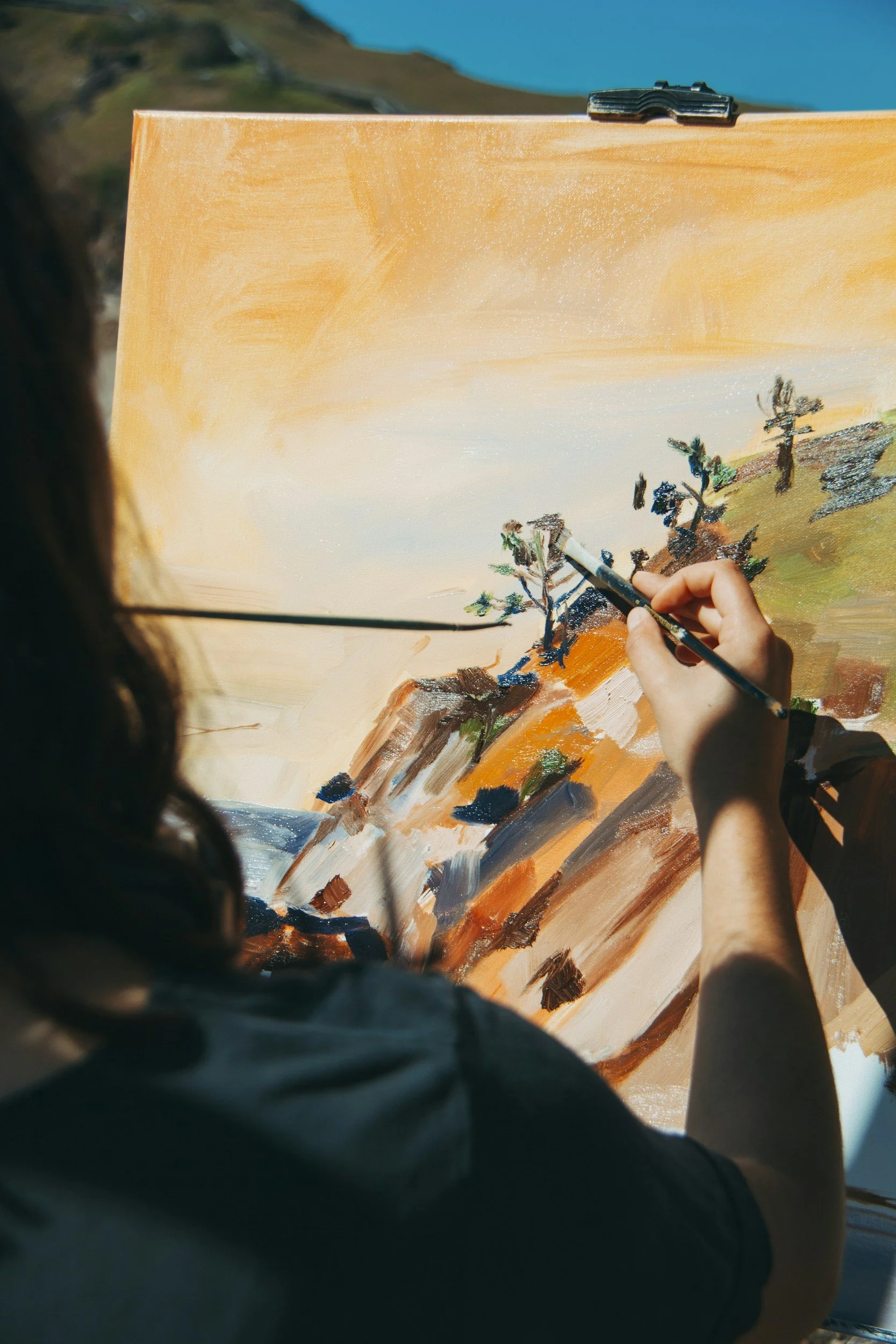
Plein Air Painting, Beginners Guide:
There’s something magical about painting outdoors—brush in hand, sunlight on your shoulders, and the ever-changing landscape as your muse. Plein air painting (from the French en plein air, meaning “in the open air”) invites artists to step outside their homes / studios and immerse themselves in the organic world. Whether you're a seasoned painter or just beginning your artistic journey, plein air painting offers a fresh, vibrant experience unlike any other.
Here’s how to get started.Make it stand out
1. Start Simple
You don’t need a lot to begin. A small easel, a few brushes, paints (oil, acrylic, watercolor—your choice), and a surface to work on are enough. Start with a lightweight setup that’s easy to carry, and choose a limited color palette to avoid overpacking.
2. Scout the Right Spot
Look for a place that inspires you and is relatively quiet and safe. Parks, trails, waterfronts, or even your backyard are great options. Consider lighting, shade, and whether you'll be comfortable standing or sitting for a while.
3. Pack Smart
Bring the essentials, but also think practically:
Water and snacks
Sun protection (hat, sunscreen, umbrella)
Bug spray
Paper towels or rags
A trash bag
Clips or weights for windy days
Pro tip: A backpack or rolling cart can make transport easier.
4. Work Quickly and Loosely
Nature doesn’t hold still. Light shifts, clouds move, and shadows dance. Embrace this by painting expressively rather than aiming for photographic detail. Plein air painting is about capturing the feeling of the moment, not perfection.
5. Practice Observation
Take time to look at your surroundings, how quickly is the light shifting? Is there a breeze? Are people moving within the frame? What are some key elements within your view you want to capture? Sit with nature and your subject. It’s ok to be observational before you put your brush to your canvas.
6. Be Ready to Adapt
Sometimes the weather doesn’t cooperate. Sometimes the scene changes or the light disappears. Learn to roll with it. Bring a sketchbook in case you want to capture a scene quickly to paint in more detail later.
7. Join a Community, like the New Hartford Artisans Guild :-)
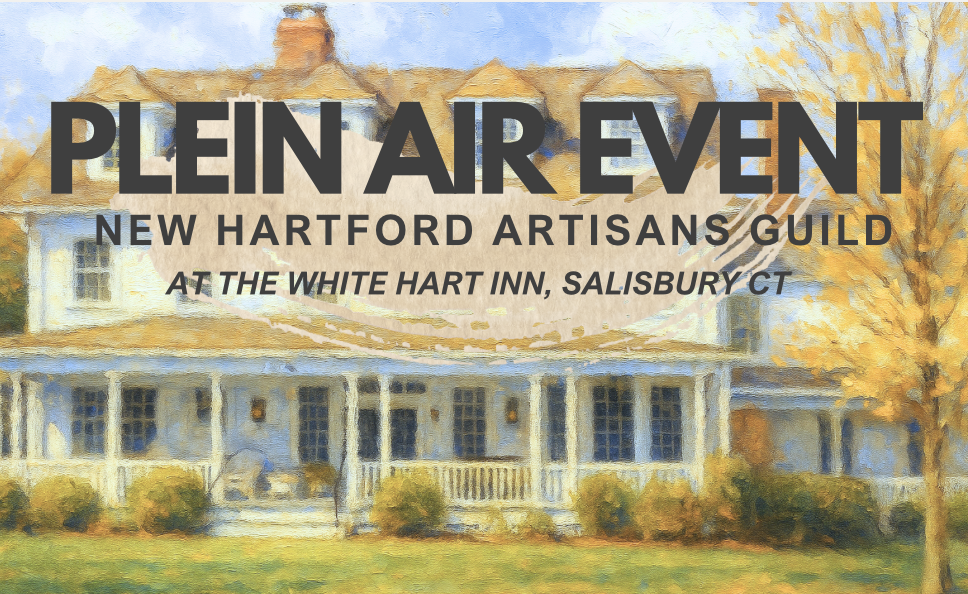
Painting outdoors can be a solitary joy, but it's also a wonderful way to connect with others. Join a local plein air group or attend a plein air event. You’ll gain support, feedback, and inspiration from fellow artists. The New Hartford Artisans Guild has many plein air events throughout the year both indoor, outdoor, local and destination based.
8. Leave No Trace
Be a good steward of the places you paint. Clean up after yourself and be respectful of nature and other visitors. Plein air painting connects you to the landscape—treat it with care.
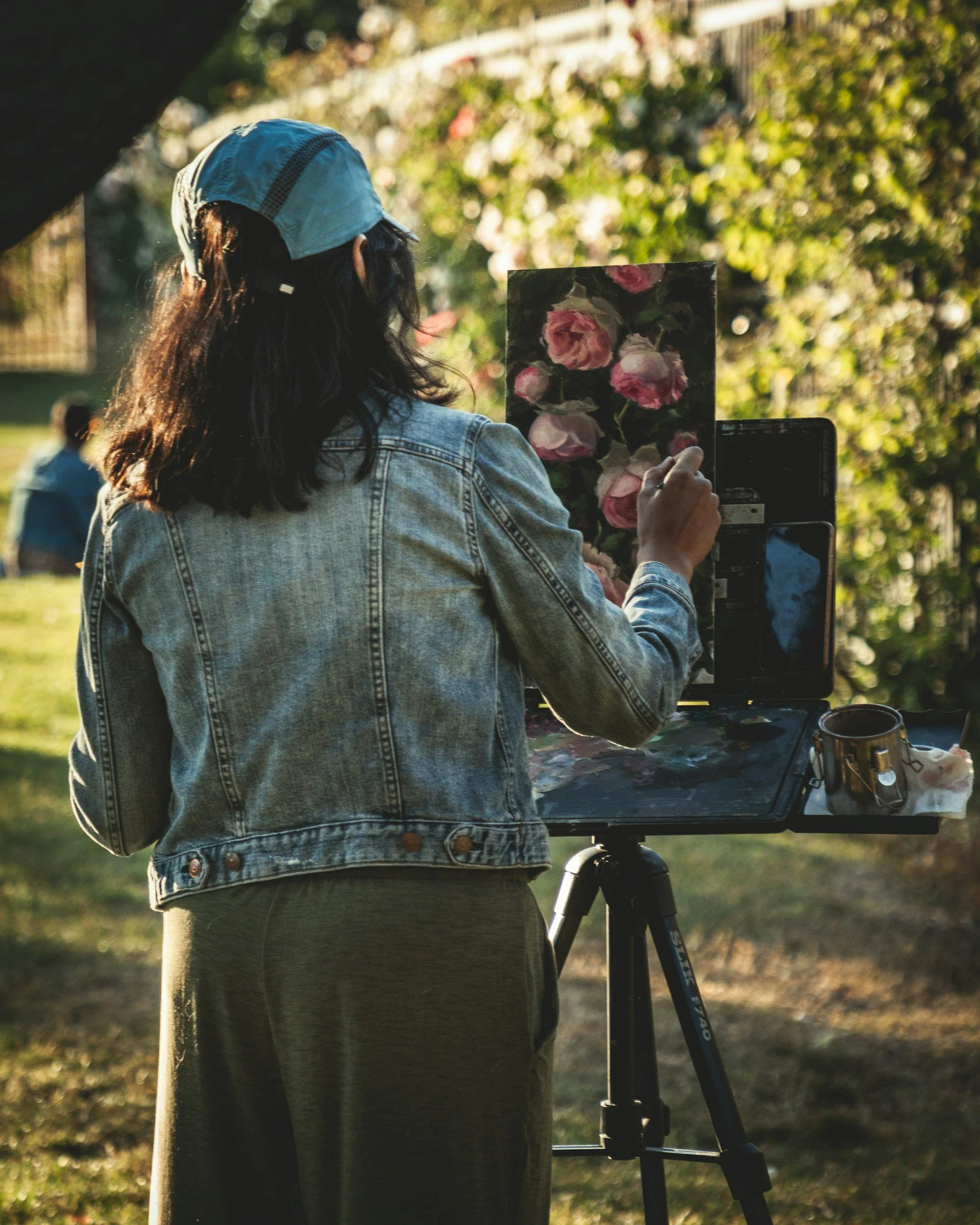
Recommended Plein Air Gear
Here are some suggestions for gear.
Portable Easel (French Easel or Pochade Box)
Guerrilla Painter 6x8 Pochade Box – Compact, sturdy, and easy to carry.Tripod + Pochade Adapter
U.Go Plein Air Anywhere Pochade Box + Tripod – Sleek and customizable for different mediums.Watercolor Travel Set
Winsor & Newton Cotman Watercolor Field Box – Great for quick, vibrant washes.Portable Stool
REI Co-op Trail Stool – Lightweight and easy to carry.Brush Carrier
Global Art Brush Wrap – Protects brushes on the go.Field Sketchbook
Stillman & Birn Beta Series Sketchbook – Thick pages perfect for watercolor or mixed media.Sun Hat
Sunday Afternoons Artist Series Hat – Functional and stylish with full sun protection.Backpack with Compartments
Osprey Daylite Plus Pack – Comfortable and roomy enough for your gear, lunch, and water.
Feel free to mix and match what works best for your medium and comfort. The key is keeping it light, functional, and mobile.
When you’re painting plein air, it’s about your connection to the landscape. How can you interpret the movement around you? How can you overcome the desire for detail and perfection? How can you emprovise and work with limited materials. All of these challenges will help you make decisions and flex the mental muscle that it.
So grab your gear, follow the sun, and let the landscape be your studio.